
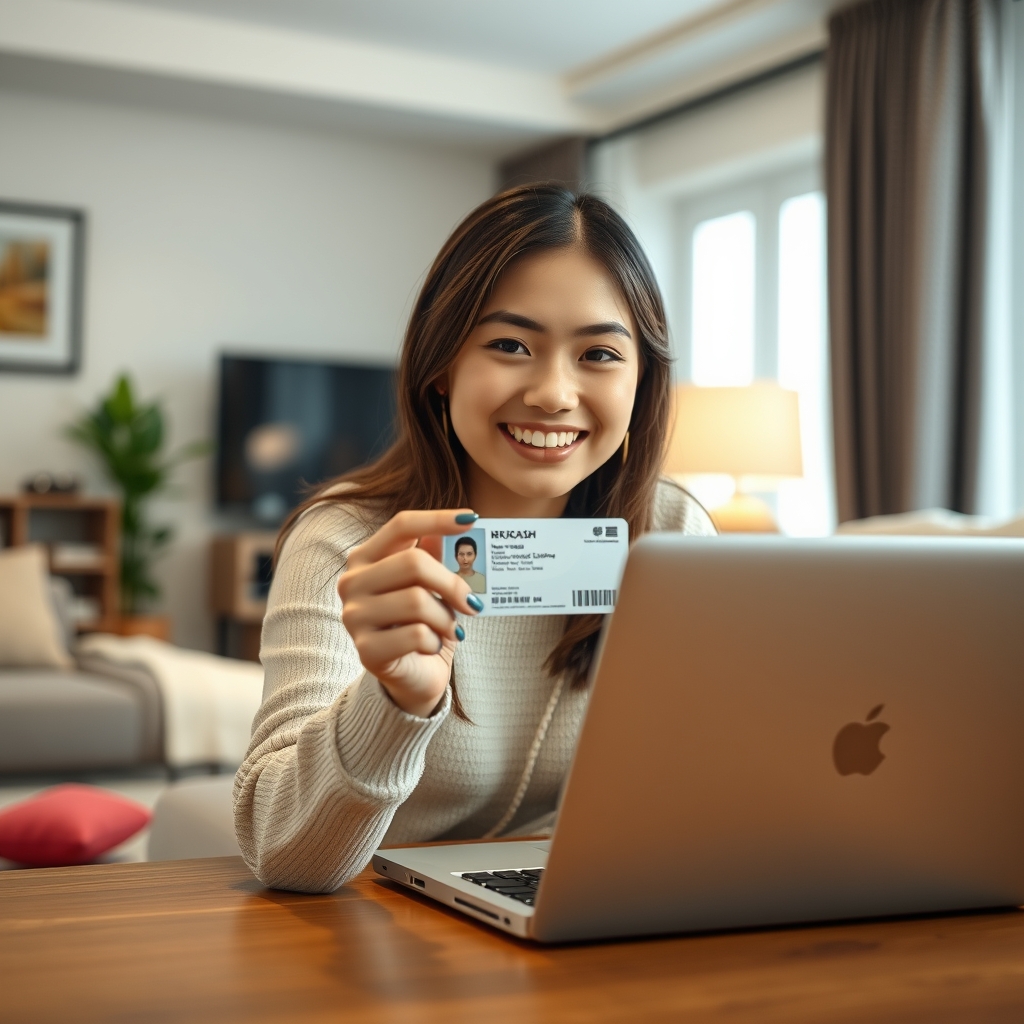
Sharing your home with someone means sharing your personal space, your daily routine, and often your sense of security. That's why learning how to verify a roommate's identity before moving in is not optional caution — it's a basic safety step every renter should take, especially when meeting a potential flatmate for the first time online.
Why identity verification matters
Word-of-mouth referrals are ideal, but most people today find flatmates through listings, social media groups, or apps where you're essentially meeting a stranger. Without any verification, you're taking someone's word for their name, job, and background — which is a real risk when you're about to share keys to your home.
Practical ways to verify a roommate's identity
- Ask for a government-issued photo ID (Aadhaar, PAN, passport, or driving licence) and cross-check the name against their profile
- Request proof of employment or student status, such as an offer letter or college ID
- Do a video call before meeting in person — voice and video are much harder to fake convincingly than text
- Ask for a reference from a previous landlord, employer, or mutual contact
- Search their name and phone number online for basic consistency checks
Let the platform do the heavy lifting
Manually verifying a stranger's ID over chat can feel awkward, and not everyone is comfortable sharing documents directly with someone they've just met. This is exactly why KYC-verified flatmate platforms exist. On FlatmatesHub, every user's identity is checked against official ID documents before their profile goes live, so both sides can see a verified badge before a single conversation about moving in even starts.
Pro tip: Never share sensitive documents like your Aadhaar or PAN copy over an open chat group — use a platform's built-in verification instead, so your ID is checked once and never passed around directly.
Meet in a public place first
If you're viewing a property together or meeting a potential flatmate for the first time, choose a public location such as a café near the property rather than an empty flat. Bring a friend along if possible, and let someone know where you're going and roughly when you'll be back.
Why it matters: A verified identity doesn't guarantee a perfect flatmate match, but it removes the single biggest unknown — who you're actually letting into your home.
Watch for red flags beyond documents
Identity verification is the first filter, not the only one. Stay alert to behaviour that doesn't add up alongside a verified profile.
- Reluctance to do a video call or in-person meeting before moving in
- Pressure to send money or a deposit before you've even seen the property
- Inconsistent details about their job, college, or hometown across conversations
- Refusal to sign a written rental agreement
Trust your instincts alongside the paperwork. Verification narrows the risk considerably, but a good flatmate relationship still depends on clear communication and honest expectations from both sides once you've confirmed who you're actually dealing with.
Ready to find your ideal flatmate? Join FlatmatesHub today and connect with KYC-verified roommates near you — completely free.