
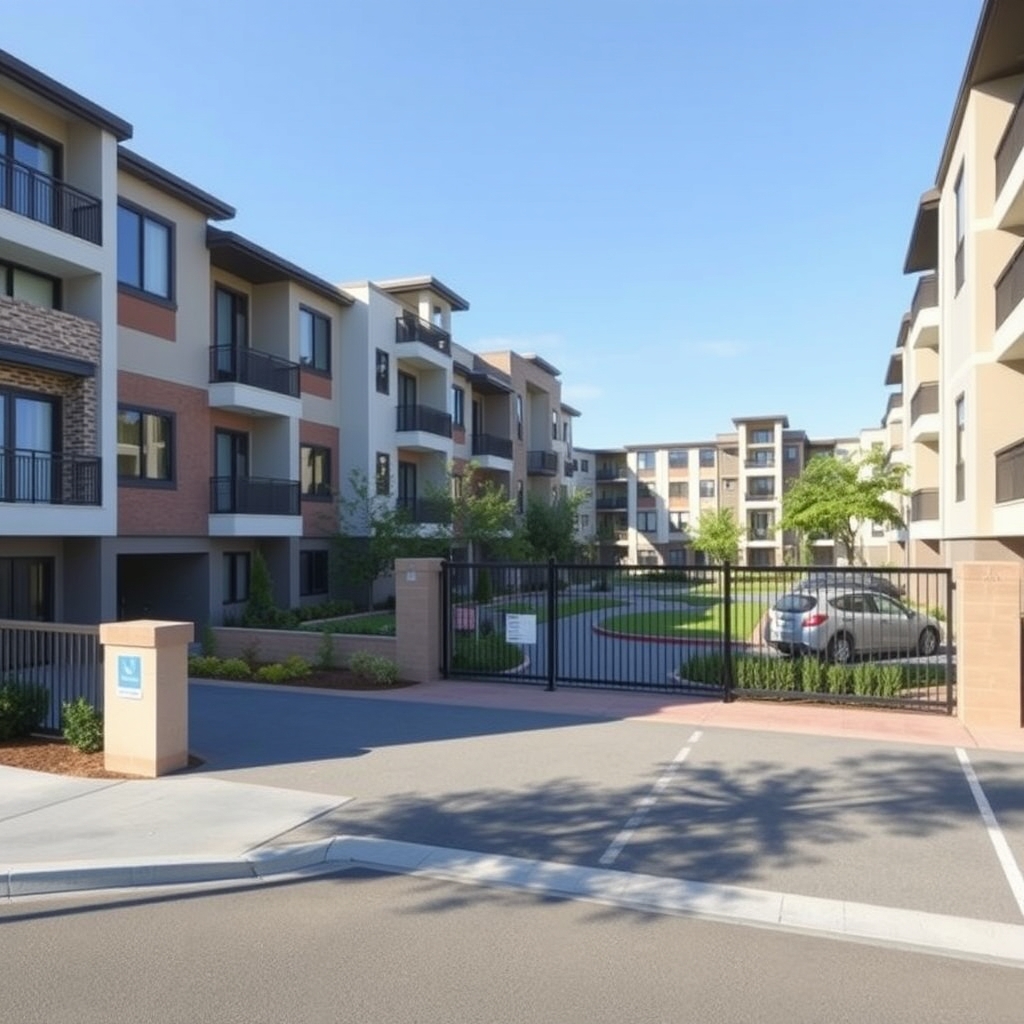
Understanding your building society's rules as a tenant is essential before you settle into a new flat, since these rules can affect everything from visitor policies to parking and noise levels. Many renters only discover the society's bye-laws after breaking one by accident, so it pays to get familiar with them early.
What Is a Building Society (RWA) and Why It Matters to Tenants
A Resident Welfare Association, or building society, is a body that manages common areas, security, and shared amenities in an apartment complex. Even as a tenant rather than an owner, you are generally expected to follow the society's rules, since they apply to everyone living in the building, not just owners.
- Governs shared amenities like parking, gyms, and community halls
- Sets visitor and guest registration procedures
- Manages maintenance charges and common area upkeep
- Enforces building-wide rules on noise, pets, and renovations
Common Society Rules Tenants Should Know
While every society's bye-laws differ, several categories of rules come up repeatedly across most residential complexes. Ask your landlord or the society office for a copy of the rules before you move in.
- Visitor and guest entry procedures, including ID registration
- Parking allocation and vehicle registration requirements
- Noise restrictions during specific hours
- Rules around pets, including registration or breed restrictions
- Move-in and move-out procedures, including notifying the society office
- Renovation or modification approval requirements
Pro tip: Ask your landlord to formally register you as a tenant with the society office as soon as you move in — this often smooths out access to amenities and guest approvals later.
How to Get and Read the Society Bye-Laws
Most societies maintain a written set of bye-laws, sometimes shared as a physical document and sometimes through a resident app. If you cannot get a copy directly, ask your landlord, since they typically have access as a society member.
Why it matters: Knowing the society's rules before you move in helps you avoid unexpected fines or restrictions, and it gives you a clearer picture of daily life in the building.
What Happens If You Break a Society Rule
Consequences for breaking society rules vary widely, from a verbal warning to a formal notice or fine routed through your landlord. In most cases, the society will first approach the flat owner rather than the tenant directly, which is another reason to keep your landlord informed and on good terms.
- Verbal or written warnings for minor first-time issues
- Fines added to the maintenance bill for repeated violations
- Restricted access to amenities in more serious cases
It is also worth attending a society general body meeting if you are permitted to, since these meetings often reveal upcoming rule changes, maintenance charge increases, or planned renovations that could affect your day-to-day life as a tenant. Even if you cannot vote as a non-owner, staying informed helps you anticipate changes rather than being caught off guard by a new policy announced after the fact.
Society rules and enforcement practices vary significantly by building and by region, so it is worth verifying the specifics directly with your local society office or a housing professional before assuming any rule applies to your situation.
Ready to find your ideal flatmate? Join FlatmatesHub today and connect with KYC-verified roommates near you — completely free.