
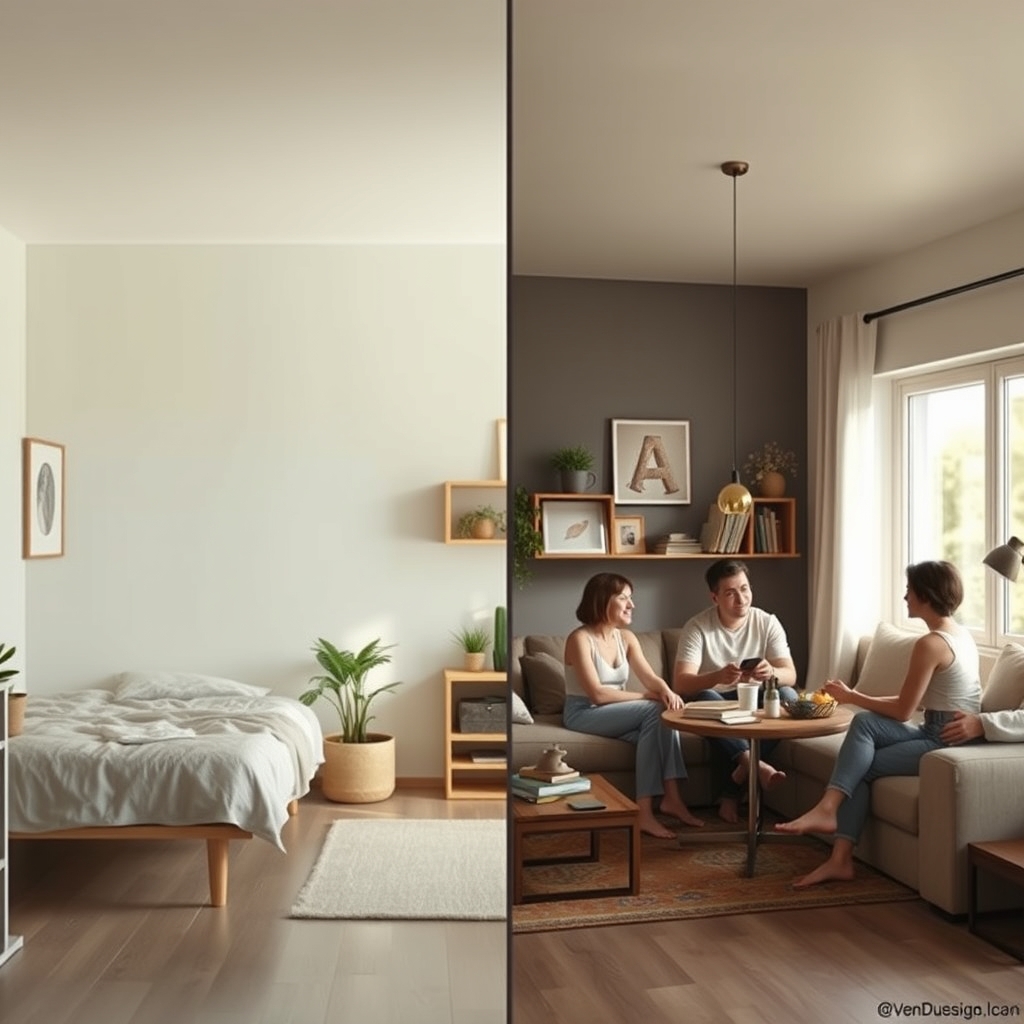
Choosing between a studio and a shared room is one of the biggest decisions renters face, and it comes down to more than just price. While a studio offers privacy and independence, a shared room can cut your monthly costs significantly and add a built-in social network. Here is how the two options actually compare once you look past the surface-level rent numbers.
Comparing the Real Costs
A studio apartment's rent is usually the headline cost, but a shared room's savings go beyond just a lower monthly figure. When you split rent, utilities, and even groceries with flatmates, your total monthly outgoings can drop substantially compared to living alone.
- Studio: full rent, full utility bills, full furnishing costs on your own
- Shared room: split rent, split utilities, often shared furniture and appliances
- Shared room: lower upfront costs since deposits are typically smaller
- Studio: fewer ongoing negotiations, but higher fixed monthly spend
Lifestyle Trade-Offs to Consider
Cost is only half the story. A studio gives you complete control over your space and schedule, with no one else's habits to accommodate. A shared room, on the other hand, offers companionship and built-in support, which can matter a lot if you are new to a city.
What a Studio Offers
- Total privacy and quiet, on your own schedule
- No compromises on cleanliness, guests, or noise
- Full control over decor and layout
What a Shared Room Offers
- Built-in social connection, especially useful if relocating alone
- Shared responsibilities for chores and errands
- Someone around for security and day-to-day support
Who Should Choose a Shared Room
A shared room tends to work best for students, early-career professionals, or anyone relocating to a new city who wants to keep costs down while building a social circle. Using a platform with roommate compatibility matching, like FlatmatesHub, makes this option far less risky, since you can align on lifestyle habits, schedules, and expectations before moving in together.
Pro tip: Before choosing a shared room, ask potential flatmates directly about their daily routine, guest policy, and cleanliness expectations — compatibility matters more than personality alone.
Why it matters: The cheapest option on paper is not always the best fit for your lifestyle, so weighing privacy needs against savings will save you from an expensive mid-lease change of mind.
Making the Decision With Confidence
Ultimately, the studio versus shared room decision comes down to your budget, your need for privacy, and how long you plan to stay in the city. If you are still unsure, consider starting in a shared room to save money and build local connections, then transitioning to a studio once your income and network are more established.
It also helps to think beyond your first year. If your career or study plans mean you will likely relocate again soon, a shared room's flexibility and lower switching costs may outweigh the appeal of studio independence. Conversely, if you value routine and expect to stay in one city long-term, gradually transitioning toward a studio once your finances allow can be a sensible growth step rather than an either-or decision made once and never revisited.
Ready to find your ideal flatmate? Join FlatmatesHub today and connect with KYC-verified roommates near you — completely free.