
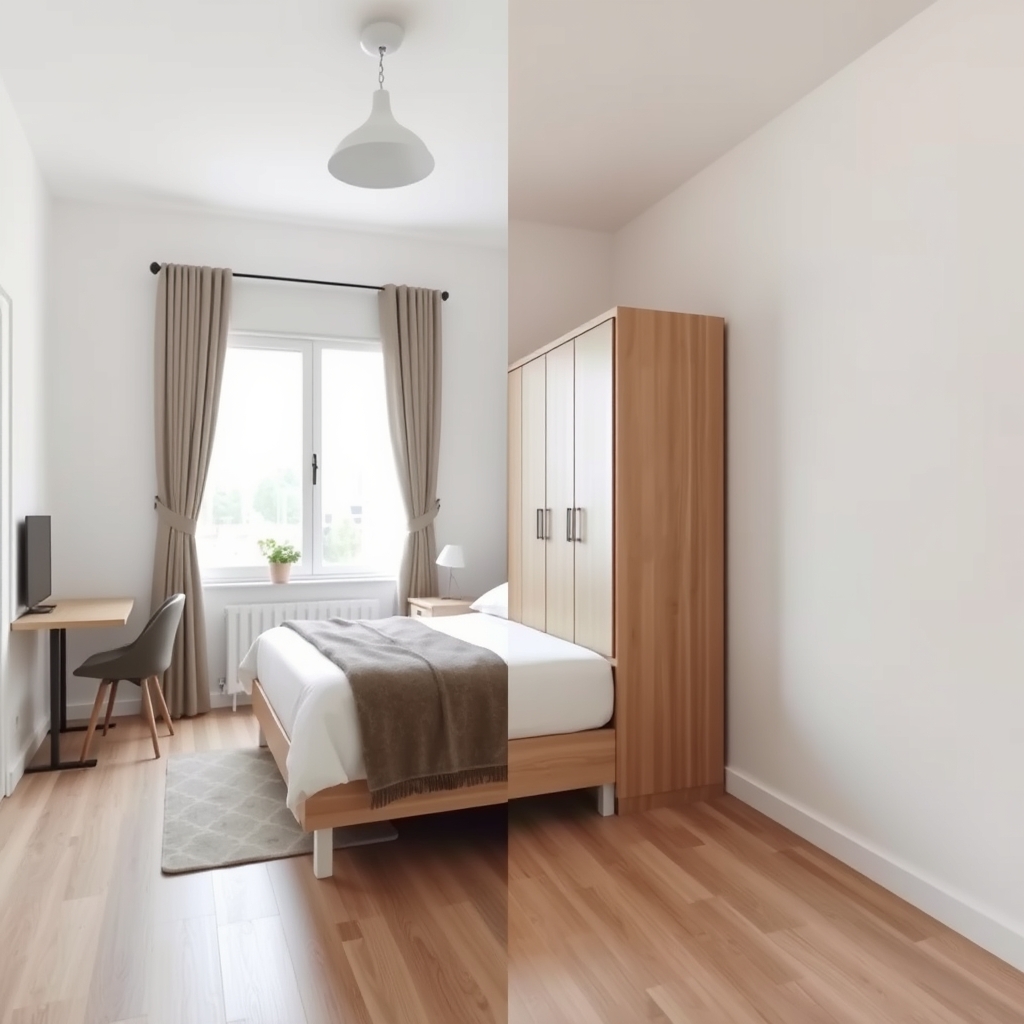
Deciding whether to furnish your rental property is one of the bigger financial choices an owner faces, and there's no universally right answer — it depends on your target tenant, your budget, and how hands-on you want to be as a landlord. This cost-benefit guide breaks down the real trade-offs so you can make a decision that fits your situation.
The Case for Furnishing
Furnished rooms and flats generally appeal to a specific, often larger segment of the rental market — students, early-career professionals, and anyone relocating for a short-to-medium term who doesn't want the hassle or expense of buying furniture. Furnishing your property can mean:
- A wider pool of interested tenants, since many renters actively filter for furnished listings
- The ability to charge a modest rent premium to offset your furnishing costs over time
- Faster move-ins, since tenants don't need to arrange or transport furniture before settling in
- Often shorter vacancy periods, since furnished listings tend to attract more immediate interest
Why it matters: Furnished listings typically draw a broader and faster-moving pool of tenants, but that advantage only pays off if the upfront furnishing cost is manageable and the furniture holds up to shared, everyday use.
The Case for Leaving It Unfurnished
Unfurnished properties come with their own real advantages, particularly for owners focused on long-term tenancies:
- No upfront furnishing cost or ongoing maintenance and replacement expense
- Tenants who bring their own furniture often stay longer, since moving furniture again is a hassle
- Less wear and tear liability disputes at move-out, since the furniture isn't yours to begin with
- Appeals to long-term renters, families, or those who prefer their own setup
Weighing the Upfront Cost Against Long-Term Return
Furnishing a single room reasonably well — bed, mattress, wardrobe, study table and chair — is a real upfront cost, and furniture in shared housing tends to wear out faster than in an owner-occupied home. Before furnishing, estimate the rent premium you could realistically charge and compare it against the furnishing cost plus expected maintenance or replacement over a few years of tenancy. If the additional rent doesn't cover that cost within a reasonable timeframe, an unfurnished or semi-furnished approach may make more financial sense.
Consider a Middle Ground: Semi-Furnished
Many owners find that semi-furnished — providing a bed, wardrobe, and perhaps a study table, but leaving smaller items like curtains, décor, or kitchen appliances to the tenant — offers a practical balance. It reduces the tenant's move-in effort and cost while keeping your own upfront investment and maintenance liability more contained.
Pro tip: Whatever you decide, list your furnishing status explicitly and in detail — "fully furnished" should mean the same thing every time you use it, listing each item rather than the vague label alone, so tenants know exactly what to expect before they even schedule a visit.
Making the Decision for Your Property
A few quick questions can help clarify your choice:
- Is your target tenant more likely to be a student/young professional (favors furnished) or a long-term family (favors unfurnished)?
- Can you afford the upfront furnishing cost without straining cash flow?
- Are you comfortable managing furniture maintenance and eventual replacement?
- What do comparable listings in your area typically offer?
There's no single right answer — the best choice is the one that matches your target tenant, your budget, and how much ongoing involvement you want as an owner.
Ready to list your property? List your property on FlatmatesHub today — free, with verified tenant leads and zero brokerage.