
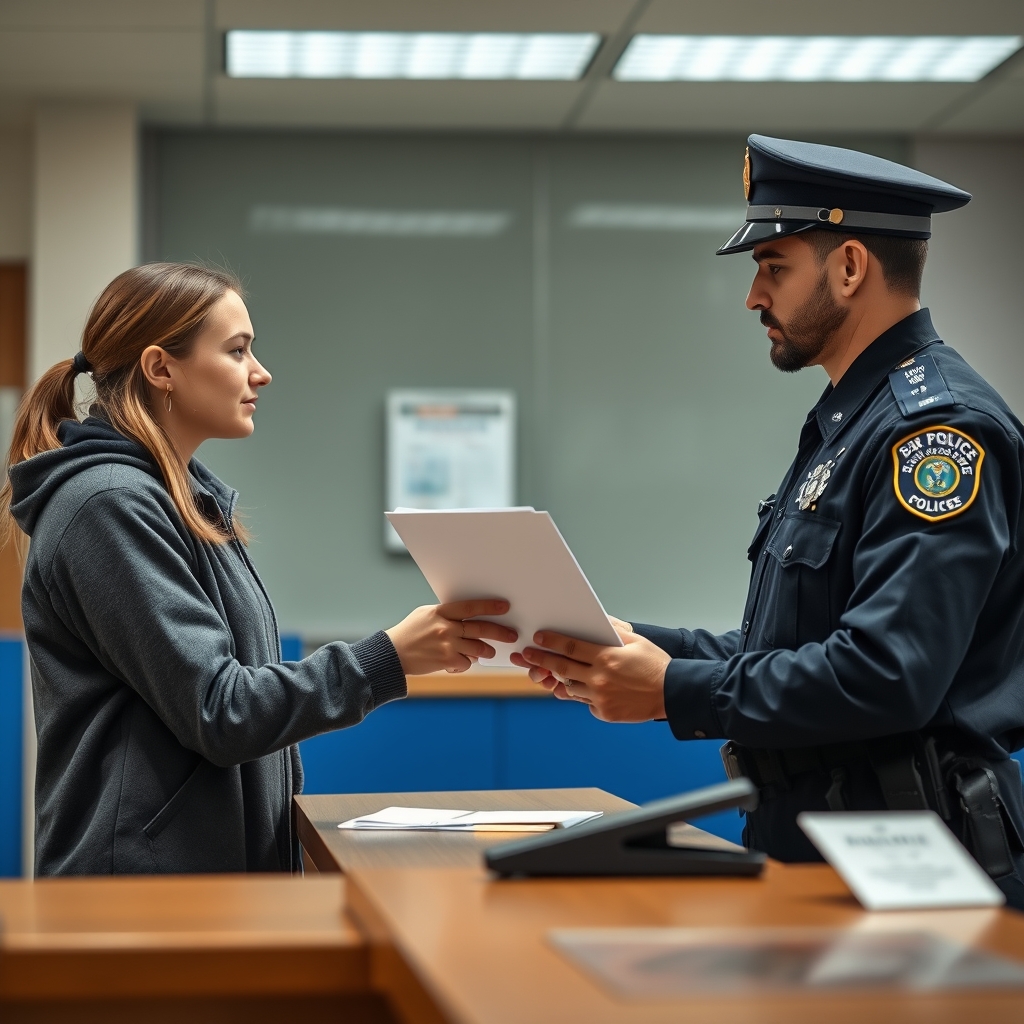
Police verification for tenants is a routine but often confusing part of renting a home in many Indian cities. Landlords typically ask new tenants to complete it soon after move-in, and understanding the process in advance makes it far less intimidating when the paperwork lands on your desk.
What Is Police Verification for Tenants?
Police verification is a local administrative process where tenant details are recorded with the nearest police station, primarily as a safety and record-keeping measure for the neighborhood. It's typically required in most metro cities, though the exact rules, forms, and enforcement levels vary by state and even by city police commissionerate.
Documents You'll Typically Need
While requirements differ by location, most police verification forms ask for a similar set of documents.
- A government-issued photo ID such as Aadhaar, passport, or voter ID
- Recent passport-size photographs
- Proof of current or permanent address
- A copy of the signed rental agreement
- Landlord's ID proof and ownership document, in many cases
The Step-by-Step Process
Although procedures vary, the general flow tends to follow a similar pattern across cities.
- Collect the tenant verification form from the local police station or its website
- Fill in personal, employment, and previous address details accurately
- Attach the required ID proofs and photographs
- Submit the form at the station or, in some cities, online through a dedicated portal
- A local officer may visit the property to confirm details in person
Processing time typically ranges from a few days to a few weeks, so it's worth starting this soon after signing your rental agreement rather than waiting until the last minute.
Why it matters: Completing verification promptly typically builds trust with your landlord and neighbors, and can smooth over future renewals or reference checks.
Common Questions Tenants Have
Many first-time renters worry that police verification will delay their move-in or create complications. In most cases, it's a formality rather than an investigation, and having your documents organized in advance keeps the process quick. If your city offers an online portal, it's often faster than an in-person visit. Since requirements genuinely differ by jurisdiction, it's a good idea to check your local police website or ask your landlord or property manager for the exact current process — this article is general guidance, not a substitute for official local instructions.
It's also worth asking your landlord whether they've completed verification for previous tenants recently, since a cooperative landlord can often speed up the process by confirming details directly with the local station. In shared accommodations, each adult occupant typically needs to complete their own verification separately, even if only one person's name appears on the rental agreement, so factor this into your move-in timeline. Building in a few extra days for verification, especially during festival seasons or staff shortages at busy stations, helps you avoid last-minute stress right when you're also juggling movers and utility connections.
Pro tip: Keep scanned copies of your ID, agreement, and photos ready in a folder on your phone so you can complete verification forms — online or offline — in minutes.
Ready to find your ideal flatmate? Join FlatmatesHub today and connect with KYC-verified roommates near you — completely free.