
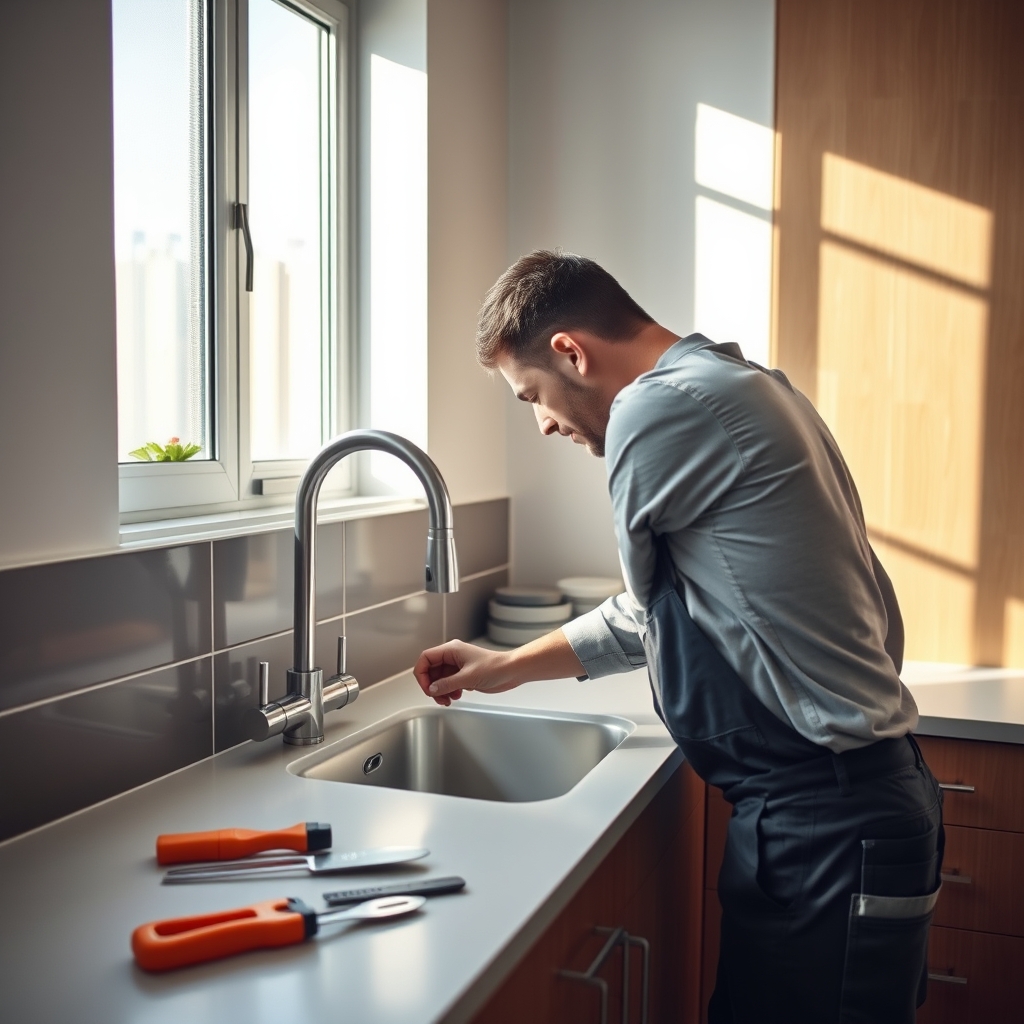
How you respond to a repair complaint says more about you as a landlord than almost anything else, which is why handling maintenance requests well is central to good property management. Tenants judge owners on responsiveness far more than on rent price, and a slow or dismissive response to a leaking tap or broken lock can turn a good tenant into one who's already looking for the exit. Here's a practical approach to managing maintenance requests without letting them consume your time.
Set Clear Expectations Early
Before a tenant moves in, explain exactly how maintenance requests should be raised — phone call, message, or app — and what response time they can expect for different issues. A tenant who knows a non-urgent request will be addressed within 48 hours is far less anxious than one left guessing.
Triage by Urgency
Not every request needs the same speed of response. Sorting issues by severity helps you allocate time and budget sensibly.
- Emergency: water leaks, electrical faults, no water supply, broken locks — address within hours
- Urgent: appliance breakdowns, plumbing blockages, AC failures — address within 1-2 days
- Routine: minor cosmetic issues, squeaky doors, small fittings — address within a week
Sharing this triage system with tenants upfront sets realistic expectations and reduces frustrated follow-ups.
Build a Reliable Vendor List
Scrambling to find a plumber or electrician every time something breaks wastes time and often costs more. Keep a short list of trusted, pre-vetted vendors for common issues — plumbing, electrical, appliance repair, pest control — so you can dispatch help the moment a request comes in rather than starting from scratch.
Pro tip: Keep a simple maintenance log for each property noting what broke, when, and what it cost to fix — patterns often reveal a recurring issue that's cheaper to fix permanently than to keep patching.
Communicate Throughout, Not Just at the End
Tenants get frustrated less by delays and more by silence. Even a short update — "plumber is booked for tomorrow morning" — reassures a tenant that their request hasn't been forgotten. Document every request and its resolution in writing so there's a clear record if a dispute ever arises.
Why it matters: Tenants who feel their maintenance requests are taken seriously are far more likely to renew their lease, saving you the cost and effort of finding a new tenant.
Know When to Repair vs. Replace
For older appliances or fittings that break repeatedly, calculate whether continued repairs actually cost more over a year than simply replacing the item. A working, reliable home keeps good tenants longer and reduces the volume of requests you handle overall.
Preventive Maintenance Saves Money
Reactive repairs are almost always more expensive than preventive ones. Simple seasonal checks — servicing the AC before summer, checking for leaks before monsoon, testing smoke detectors and electrical fittings periodically — catch small problems before they become expensive emergencies. Building a light preventive maintenance schedule into your yearly property routine reduces the number of urgent requests tenants ever need to raise in the first place, and it signals to tenants that the property is genuinely well cared for.
Ready to list your property? List your property on FlatmatesHub today — free, with verified tenant leads and zero brokerage.