
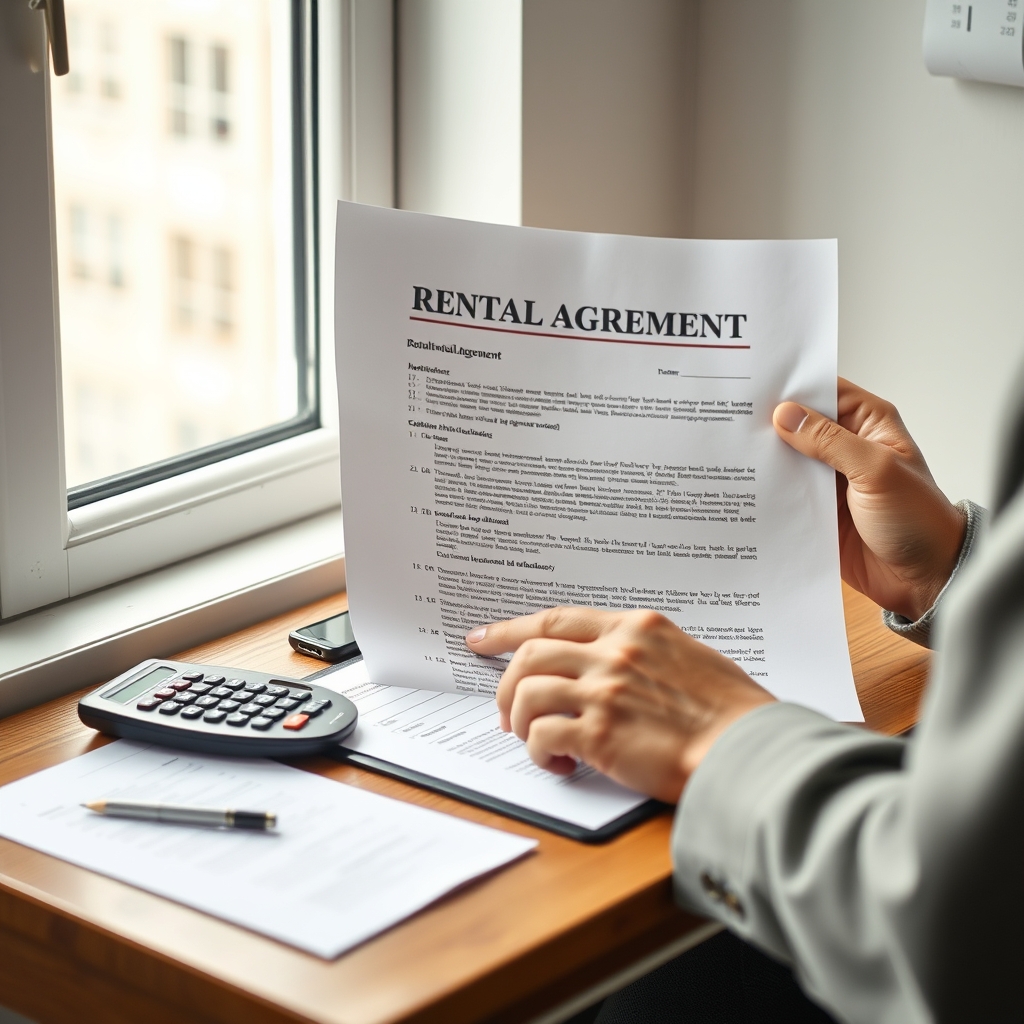
Nothing derails a monthly budget quite like an unexpected rent hike notice from your landlord. Whether it comes at lease renewal or mid-tenancy, learning how to handle rent increases as a tenant is an essential skill for anyone renting in India's fast-moving urban markets. The good news is that most rent increases are negotiable, and a calm, informed approach almost always gets you a better outcome than simply accepting the first number you're given.
Understand Why the Increase Is Happening
Before reacting, take a step back and figure out what's actually driving the hike. Landlords typically raise rent because of rising property taxes, maintenance costs, or simply because the surrounding market has shifted. Sometimes it's a routine annual escalation clause already baked into your original agreement. Understanding the reason helps you decide whether the increase is reasonable or worth pushing back on.
- Check your original rental agreement for any pre-agreed annual increase clause (commonly 5–10% in many Indian cities).
- Compare the new asking rent against similar verified property listings in your neighborhood to see if it's actually in line with the market.
- Ask your landlord directly what's prompting the change — a straightforward conversation often reveals more flexibility than a written notice suggests.
Know Your Rights as a Tenant
Rent control and tenancy laws vary by state in India, but a few general principles apply almost everywhere: a landlord generally cannot raise your rent mid-lease unless your agreement explicitly allows it, and any increase should come with reasonable written notice — typically at least a month, though your specific rental agreement or state's tenancy act may specify differently. Always re-read your signed agreement carefully before agreeing to any change.
Pro tip: Never agree to a rent increase over a phone call alone. Ask for it in writing (email is fine) so there's a clear record of what was agreed and when it takes effect.
How to Negotiate a Rent Increase
Negotiation isn't confrontation — it's a normal part of renting, and most landlords expect at least some back-and-forth. A few tactics that consistently work:
- Lead with your track record. If you've paid on time, kept the property in good condition, and been a low-maintenance tenant, say so explicitly. Landlords value reliable, verified tenants and often prefer a smaller increase from a known-good tenant over the risk and hassle of finding someone new.
- Offer a longer lease in exchange for a smaller hike. Landlords often value stability over maximizing short-term rent, especially if vacancy means lost income and re-listing costs.
- Bring comparable data. Politely reference what similar, verified property listings nearby are actually renting for — this grounds the conversation in facts rather than opinions.
- Propose a phased increase. If the landlord is firm on the new rate, ask whether the increase can be spread over two renewal cycles instead of applied all at once.
When Sharing a Flat Makes the Increase Easier to Absorb
If negotiation only gets you partway there, the most effective lever left is often reducing your own share of the cost rather than the total rent. Bringing in a compatible flatmate — or renegotiating the split with an existing one — can offset a rent increase far more effectively than trying to argue the landlord down to the original number. This is especially true in cities where demand keeps pushing rents into premium territory regardless of negotiation.
Why it matters: A rent increase you can't negotiate away doesn't have to mean overpaying — splitting it with the right flatmate often neutralizes the hike entirely.
If You Decide to Move Instead
Sometimes the math simply doesn't work, and moving is the right call. If you do decide to relocate, start early — scrambling in the final weeks of a notice period tends to lead to rushed decisions and worse outcomes. Use expense-splitting tools to model what a shared setup would cost before you commit, and lean on in-app messaging with prospective flatmates and verified listings rather than juggling scattered WhatsApp groups and classifieds.
Ready to find your ideal flatmate? Join FlatmatesHub today and connect with KYC-verified roommates near you — completely free.