
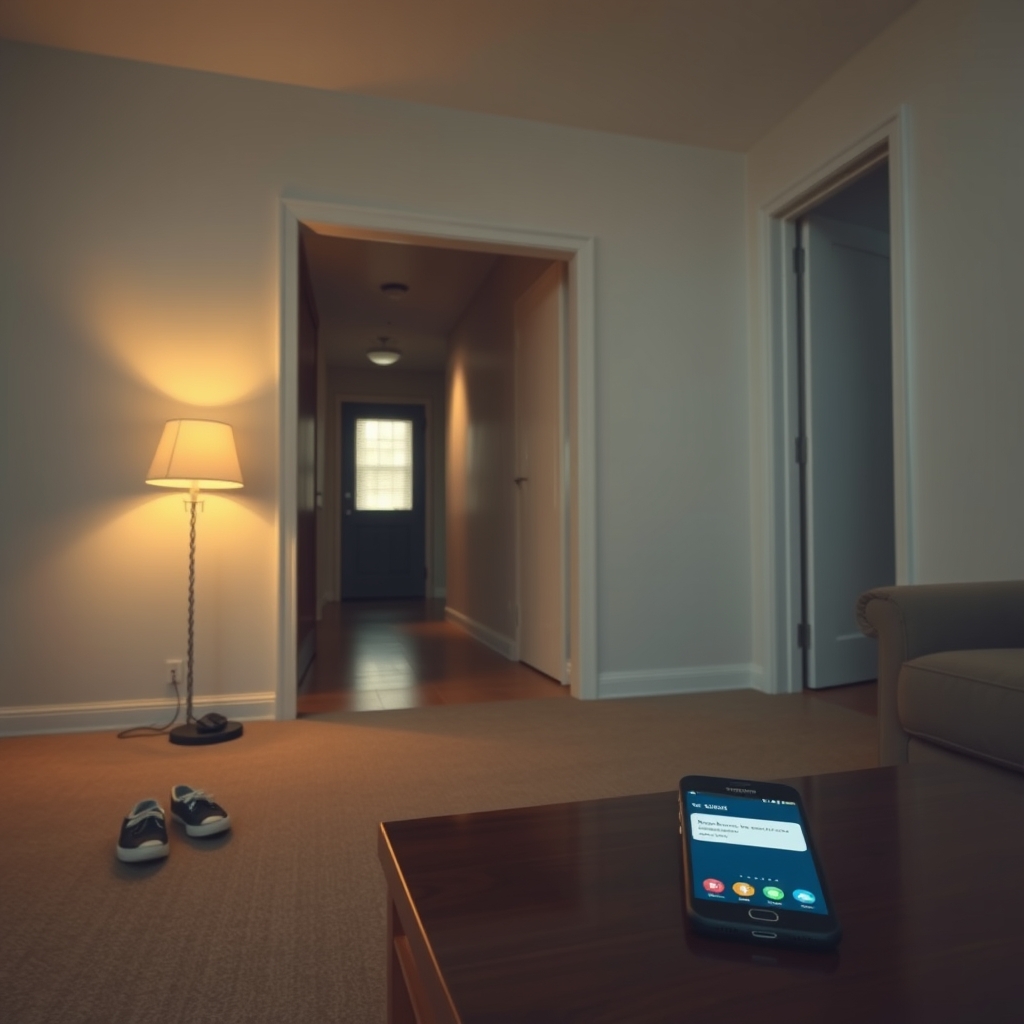
A flatmate who's never home might sound like a non-issue at first, less noise, less mess, more space for you. But if it starts affecting shared bills, chores, or how safe and lived-in the flat feels, it becomes a real thing worth addressing calmly rather than quietly resenting.
Why This Situation Needs a Different Approach
Unlike conflicts over mess or noise, an absent flatmate is not doing anything wrong in the traditional sense. They are not breaking rules, they are simply not around. That makes it a slightly awkward conversation to start, since it can come across as controlling or like you are policing someone's personal life. The key is framing the conversation around shared responsibilities, not their personal choices.
Check Whether It's Actually a Problem, or Just a Preference
Before raising it, get specific about what is actually bothering you. Is it that:
- Rent and utility bills are being split evenly despite very different usage
- Chores like cleaning or grocery restocking are falling entirely on you
- You feel isolated or unsafe being alone in the flat most of the time
- You simply miss having company, which is a valid feeling but a different conversation
Identifying the real issue helps you have a focused, fair conversation instead of a vague complaint about "never seeing them."
Addressing Shared Expenses Fairly
If a flatmate is rarely home, it is reasonable to ask whether utility costs should reflect that, for example, splitting internet and rent evenly since those are fixed costs, but adjusting variable costs like groceries or electricity if usage is genuinely lopsided. A transparent expense-splitting tool makes this conversation much easier, since you can point to actual usage patterns and shared costs rather than relying on guesswork or gut feeling.
How to Bring It Up Without Sounding Accusatory
Frame the conversation around logistics, not judgment. Something like acknowledging their busy schedule, then asking directly how you should handle chores and bills going forward, works better than accusing them of "never being around." Most people respond well to a practical, non-confrontational ask.
When to Let It Go
If bills are being split fairly, chores are getting done on a schedule that works for everyone, and your only real complaint is missing their company, that is worth recognizing as a preference rather than a grievance. Not every flat share needs to be socially close to be a good one.
It is also worth checking in with yourself occasionally, especially if the flat starts to feel less like a home and more like an empty apartment you happen to pay for. If that is the case, it may say more about your own need for social connection than about your flatmate doing anything wrong, and it might be worth exploring shared activities on your own terms, inside or outside the flat.
Pro tip: Set up a simple shared chores schedule that doesn't assume equal presence, so tasks are split by fairness, not by who happens to be home most often.
Why it matters: Addressing an absent flatmate through fair systems, not personal complaints, keeps the relationship functional and avoids resentment building silently over time.
Ready to find your ideal flatmate? Join FlatmatesHub today and connect with KYC-verified roommates near you — completely free.