
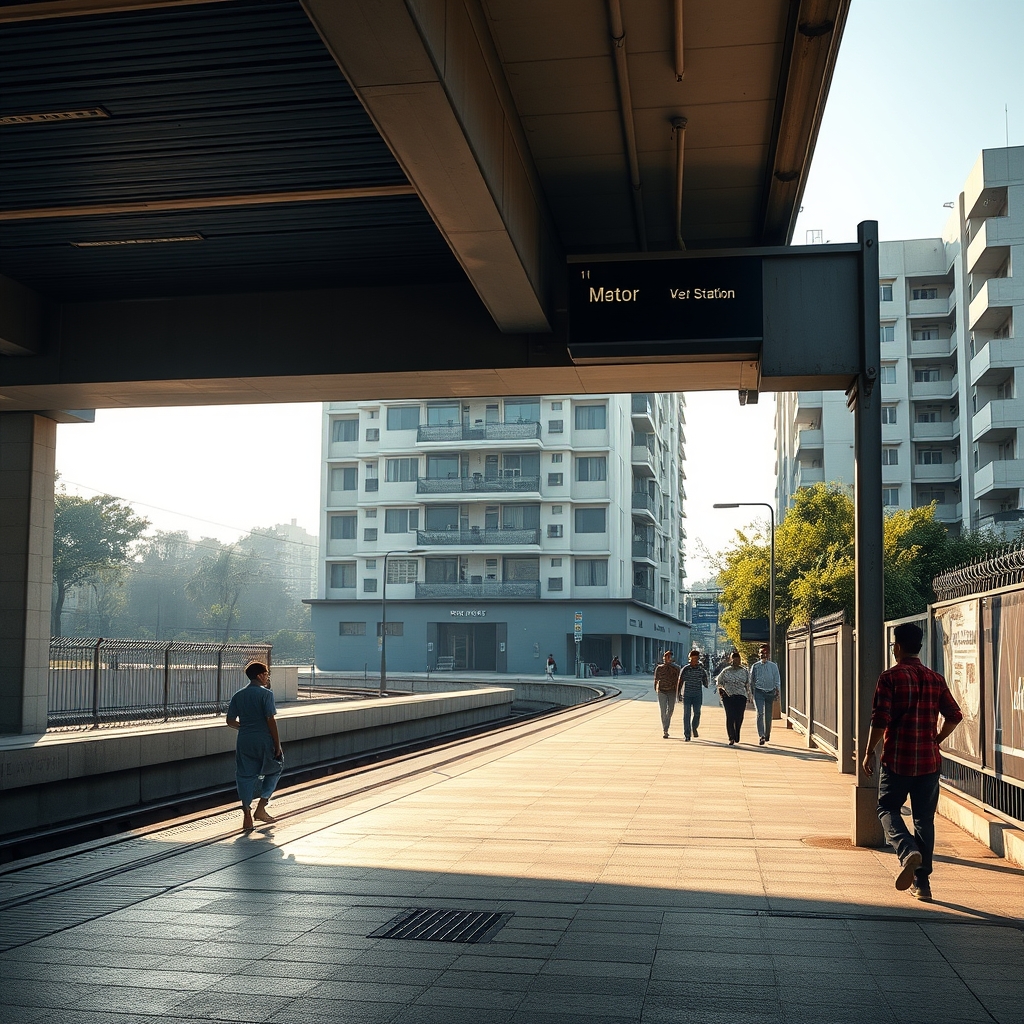
Commute time quietly shapes daily life more than almost any other housing decision, which is why renting near metro stations has become a top priority for many renters in Indian cities. A shorter, more predictable commute means more time at home, lower transport costs, and less daily stress — but it also usually comes with a rent premium. This guide covers how to weigh that trade-off and find a flat near a metro line that actually fits your budget and routine.
Why Renting Near Metro Stations Is Worth the Premium
Metro connectivity tends to add a noticeable premium to rent compared to similar flats farther from a station, but that premium often pays for itself in ways that don't show up on a rent receipt. Predictable commute times mean you can plan your day with more confidence, traffic-related stress drops significantly, and the money saved on cabs, fuel, or parking can offset a meaningful chunk of the higher rent. For flat sharers splitting a metro-adjacent rent three or four ways, the per-person premium often becomes genuinely small.
How Far Is "Near" a Metro Station?
"Near" a metro station means different things depending on the city and the last-mile options available. When evaluating a listing, consider:
- Walking distance (under 1 km): Commands the highest rent premium but removes last-mile transport entirely.
- Short auto or shuttle ride (1-3 km): A reasonable middle ground — meaningfully lower rent with only a small added commute step.
- Feeder bus or bike-share zone (3-5 km): Often overlooked, but can offer good value if reliable last-mile transport exists at the times you actually travel.
It's worth checking the feeder options during your actual commute hours, not just assuming they'll be available, since frequency often drops significantly outside peak times.
Other Factors to Check Beyond Distance
Proximity to a metro station is important, but it shouldn't be the only factor in your decision. Also evaluate:
- Noise levels — flats very close to elevated metro lines can be noisier than expected, especially with windows facing the track.
- Street lighting and safety on the walking route between the flat and the station, particularly for late-evening commutes.
- Availability of everyday essentials — groceries, pharmacies, and food options — within the same walkable radius.
- Peak-hour crowding on the specific line, which can affect your actual door-to-desk time more than the distance on a map suggests.
Pro tip: Do a trial commute at your actual office timing before signing the agreement — a flat that looks ten minutes from the station on a map can feel very different during rush hour.
Finding the Right Metro-Adjacent Flat Share
Splitting a metro-adjacent flat with roommates is one of the most effective ways to make a prime location affordable, since the commute-time savings benefit everyone in the household while the rent premium gets divided. On FlatmatesHub, you can filter verified listings by location and connect with KYC-verified flatmates who are also prioritising commute convenience, making it easier to find a home — and the right people to share it with — near the station that matters most to you.
Why it matters: A slightly higher rent near a metro station often costs less overall once you factor in daily transport savings and the value of time you get back each day.
Ready to find your ideal flatmate? Join FlatmatesHub today and connect with KYC-verified roommates near you — completely free.