
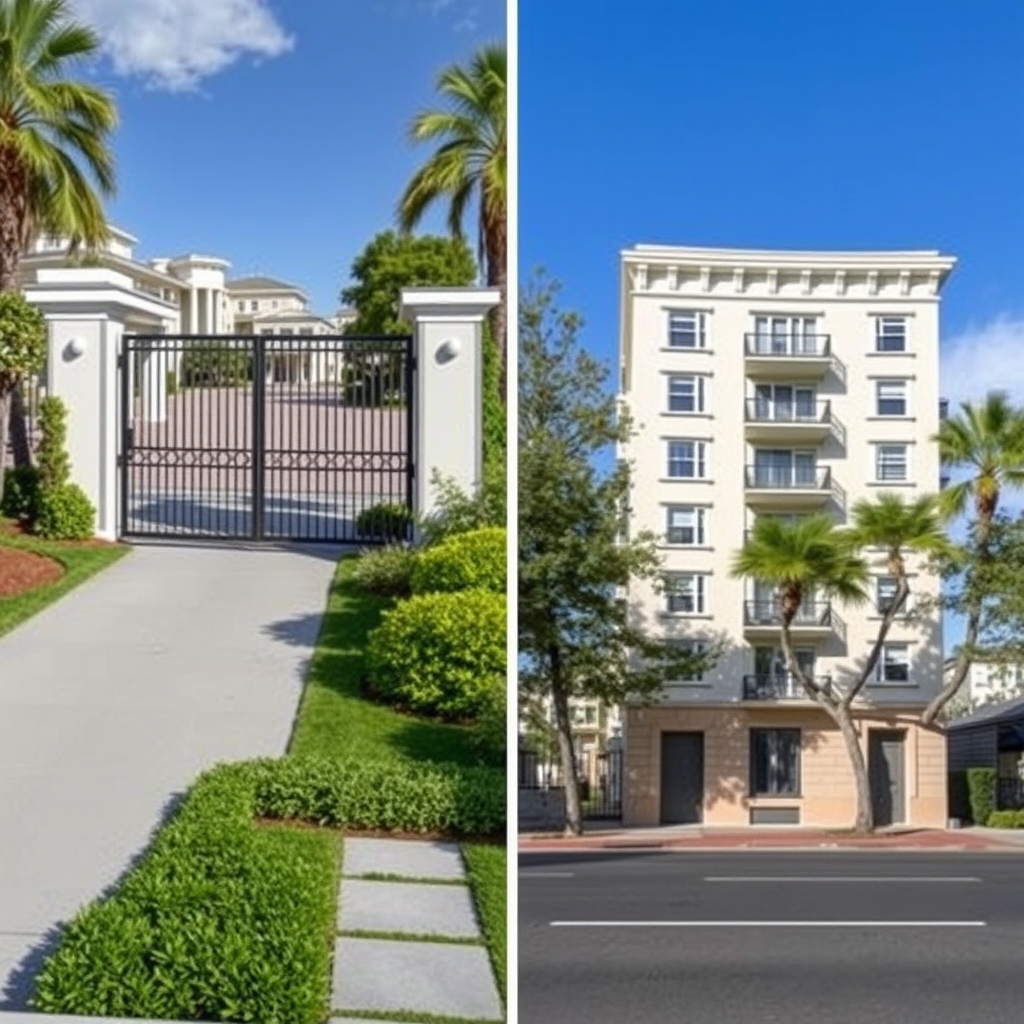
When comparing gated community vs standalone building options for flat sharing, the decision usually comes down to a trade-off between amenities and cost, security and flexibility, and community living versus independence. Neither option is universally better — the right choice depends on your budget, priorities, and how you and your flatmates like to live.
Security and Access Control
Gated communities typically offer controlled entry, visitor logging, and sometimes CCTV coverage across common areas, which many flatmates — especially those moving to a new city for the first time — find reassuring. Standalone buildings vary widely: some have a watchman and basic access control, while others have none at all. If safety and structured access are a top priority, gated communities generally offer more consistency, though standalone buildings in well-established neighborhoods can be just as secure.
Amenities That Matter for Shared Living
Gated communities often come with shared amenities that can genuinely improve day-to-day life in a flat share.
- Common areas like parks, clubhouses, or gyms that reduce the need for outside memberships
- Dedicated parking, which can be a major convenience if flatmates own vehicles
- Maintenance staff for common repairs, reducing the burden on individual flatmates
- Power backup for common areas and sometimes individual flats
Standalone buildings typically lack these shared facilities, but they often make up for it with lower maintenance charges and more flexibility in how the space is used.
Cost Differences Worth Understanding
Gated communities usually come with maintenance charges on top of rent, which get split among flatmates but still add to the total monthly outlay. Standalone buildings often have lower or no maintenance fees, meaning more of your budget goes directly toward rent and personal expenses rather than shared building costs. Weigh this against the value of the amenities you'd actually use before deciding which is the better financial fit.
Pro tip: Ask for a clear breakdown of maintenance charges before signing — some gated communities bundle costs that aren't obvious from the advertised rent alone.
Lifestyle Fit for You and Your Flatmates
Gated communities tend to suit people who want structure, predictable rules, and a sense of community, while standalone buildings often appeal to those who prefer flexibility, fewer restrictions on guests or timings, and a more independent living style. Discuss this preference with potential flatmates early, since mismatched expectations about building rules can cause friction later.
Why it matters: Choosing a building type that matches your and your flatmates' actual lifestyle — not just what sounds more premium — prevents ongoing friction over rules, cost, and daily convenience.
Filtering Verified Listings for Either Option
Whichever type you lean toward, verified listings with clear details on amenities, maintenance charges, and building rules make it far easier to compare gated communities and standalone buildings side by side without relying on guesswork or an agent's word. Visiting both types of properties in person before deciding also gives you a much better sense of noise levels, upkeep, and how the neighborhood actually feels day to day.
Ready to find your ideal flatmate? Join FlatmatesHub today and connect with KYC-verified roommates near you — completely free.