
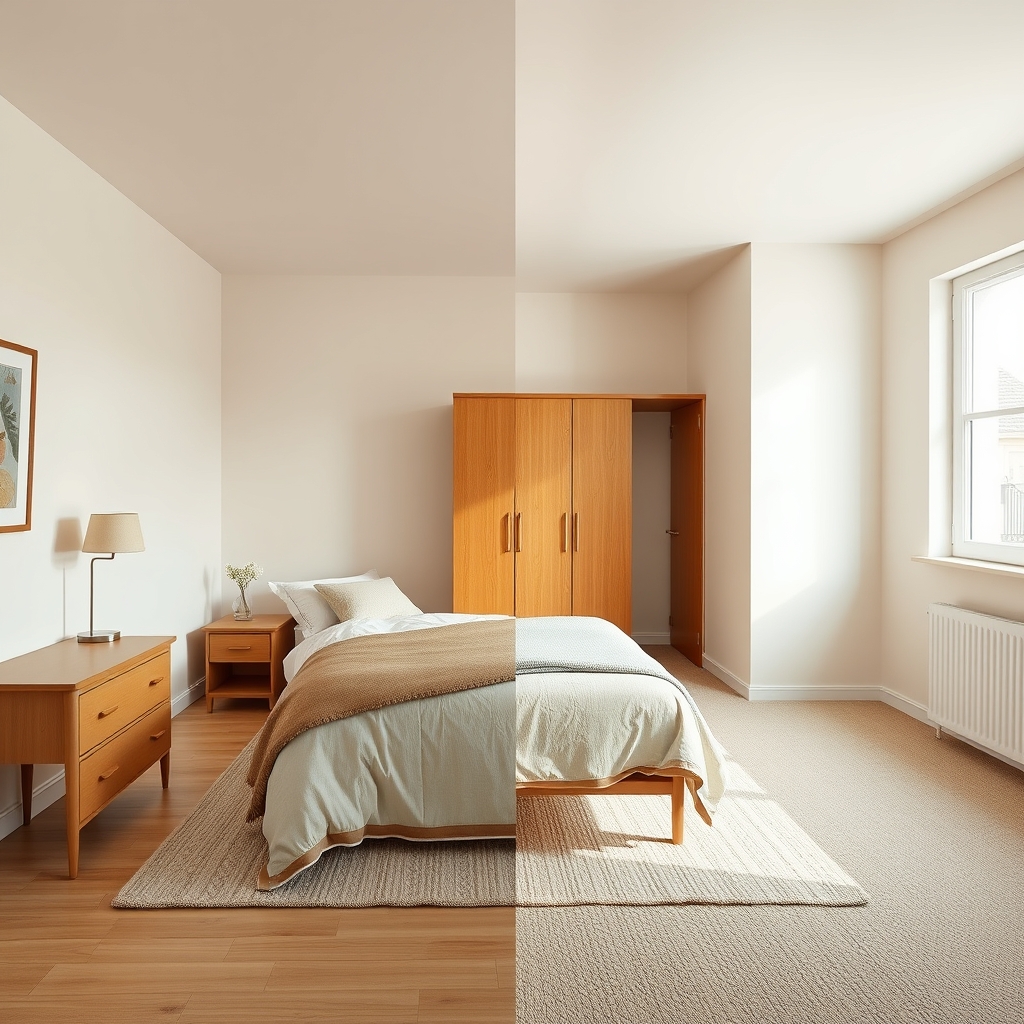
Deciding between furnished vs semi-furnished vs unfurnished flats is one of the first practical questions every renter faces, and the right answer depends on your timeline, budget, and how much effort you want to put into setting up a home. Each option carries a different balance of upfront cost, convenience, and long-term value.
What Each Option Actually Includes
Definitions vary slightly by listing, but broadly, the three categories break down as follows.
- Furnished: beds, wardrobes, sofas, a dining table, and often appliances like a refrigerator, washing machine, and AC are already in place
- Semi-furnished: basic fixtures like wardrobes, modular kitchen units, and lights or fans are included, but furniture and major appliances usually are not
- Unfurnished: essentially a bare shell with just fittings like switches and taps, requiring you to bring or buy everything else
Always confirm the exact inclusions with the owner before signing, since the term furnished can mean different things across listings.
Upfront Cost vs Long-Term Value
Furnished flats usually carry a rent premium but save you the significant upfront cost of buying furniture and appliances, which matters a lot for short stays or first-time movers with limited savings. Unfurnished flats have lower rent but require a real investment to set up — an investment that only pays off if you plan to stay long enough, or if you can take the furniture with you later. Semi-furnished flats sit in between, letting you skip the biggest expenses like a bed or wardrobe while still customizing the rest.
Matching Furnishing Level to Your Timeline
If you're unsure how long you'll stay in a city, or you're testing a new job or neighborhood, furnished or semi-furnished flats reduce your risk — you're not stuck with furniture to sell or move if plans change. If you're settling in for the long term, unfurnished or semi-furnished flats let you build a home that actually suits your taste, and the furniture becomes a long-term asset rather than a sunk cost.
Pro tip: Get a written inventory list with photos for furnished and semi-furnished flats before moving in — this protects your deposit if there's a dispute about damage or missing items later.
Splitting Furnishing Costs With Flatmates
In a shared unfurnished or semi-furnished flat, agree upfront on who owns what and how shared purchases like a dining table or refrigerator will be paid for and split. This avoids confusion later, especially if one flatmate moves out and the furniture ownership becomes unclear.
Why it matters: Choosing the wrong furnishing level for your timeline either wastes money on furniture you'll abandon or locks you into rent premiums for convenience you didn't need — matching it to your actual plans saves real money.
Making the Final Call
There's no universally better option — the right choice depends on how long you're staying, how much upfront cash you have, and how much you value convenience versus customization. Reading listing details carefully and asking direct questions about what's included will save you from surprises on move-in day.
Ready to find your ideal flatmate? Join FlatmatesHub today and connect with KYC-verified roommates near you — completely free.