
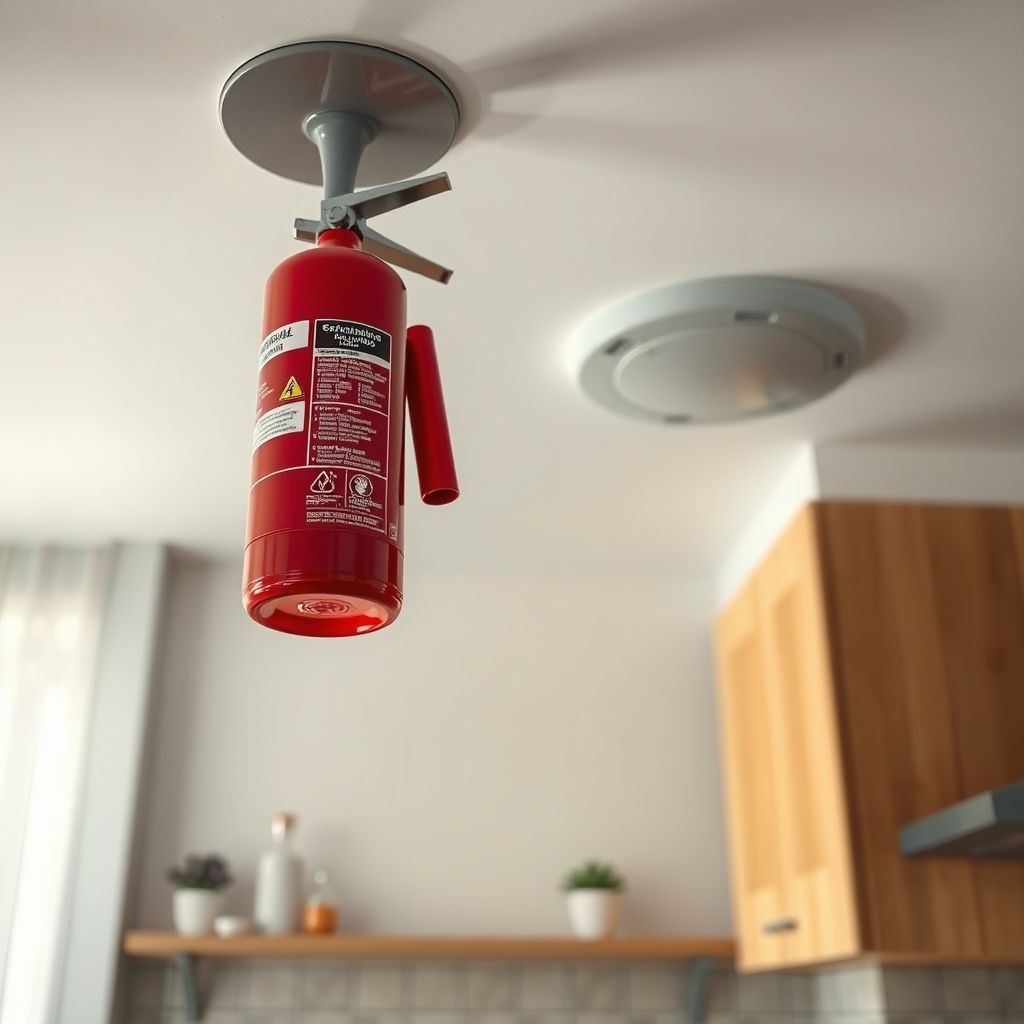
Fire safety basics are easy to overlook in a shared apartment until something goes wrong, but a few simple precautions can make the difference between a minor scare and a serious disaster. With multiple people cooking, using electronics, and coming and going at different hours, a flat share has more moving parts than a solo home, which makes a shared understanding of fire safety especially important.
Understanding Fire Risks in Shared Housing
Shared apartments often have higher fire risk simply because more people are using the kitchen, more appliances are plugged in, and habits vary from person to person. Common causes include unattended cooking, overloaded power outlets, and faulty wiring in older buildings.
- Unattended stoves and cooking appliances
- Overloaded sockets and extension cords
- Faulty or old wiring, especially in older buildings
- Improperly stored flammable items near heat sources
- Smoking indoors near curtains or bedding
Essential Fire Safety Equipment Every Flat Needs
Every shared flat should have basic fire safety equipment on hand, checked periodically to make sure it actually works when needed.
- A working smoke detector, tested monthly
- A small fire extinguisher kept in or near the kitchen
- A fire blanket for kitchen fires
- Clearly accessible fuse box and circuit breaker
- Battery-powered torch in case of a power cut during an emergency
Pro tip: Test your smoke detector on the first of every month as a group habit — it takes thirty seconds and ensures the batteries are never the reason a fire goes unnoticed.
Creating and Practicing an Escape Plan
Every flatmate should know at least two ways out of the apartment and where to meet once outside. This matters most in high-rise buildings, where lifts should never be used during a fire.
Why it matters: A rehearsed escape plan turns panic into muscle memory, giving everyone in the flat precious extra seconds to get out safely during a real emergency.
- Identify the primary and a backup exit route
- Agree on a meeting point outside the building
- Keep exit paths and stairwells free of clutter
- Know the location of the nearest fire alarm and extinguisher on your floor
Everyday Habits That Prevent Fires
Most apartment fires are preventable with consistent daily habits rather than expensive equipment. Build these into your flat's routine so fire safety becomes automatic rather than an afterthought.
- Never leave cooking unattended, even briefly
- Unplug appliances like irons and heaters when not in use
- Avoid overloading a single power outlet with multiple devices
- Keep candles and open flames away from curtains, bedding, and paper
It is also worth having a brief conversation with new flatmates about smoking habits, candle use, and any personal fire risk factors before move-in, since these preferences vary widely between people and are easy to overlook until they become a source of tension. If your building has a designated fire warden or safety officer, learn who that person is and how to reach them. And if you ever smell gas, see sparking wiring, or notice a persistent burning smell with no clear source, treat it as an emergency immediately rather than waiting to see if it resolves on its own — evacuate first and investigate later.
Ready to find your ideal flatmate? Join FlatmatesHub today and connect with KYC-verified roommates near you — completely free.