
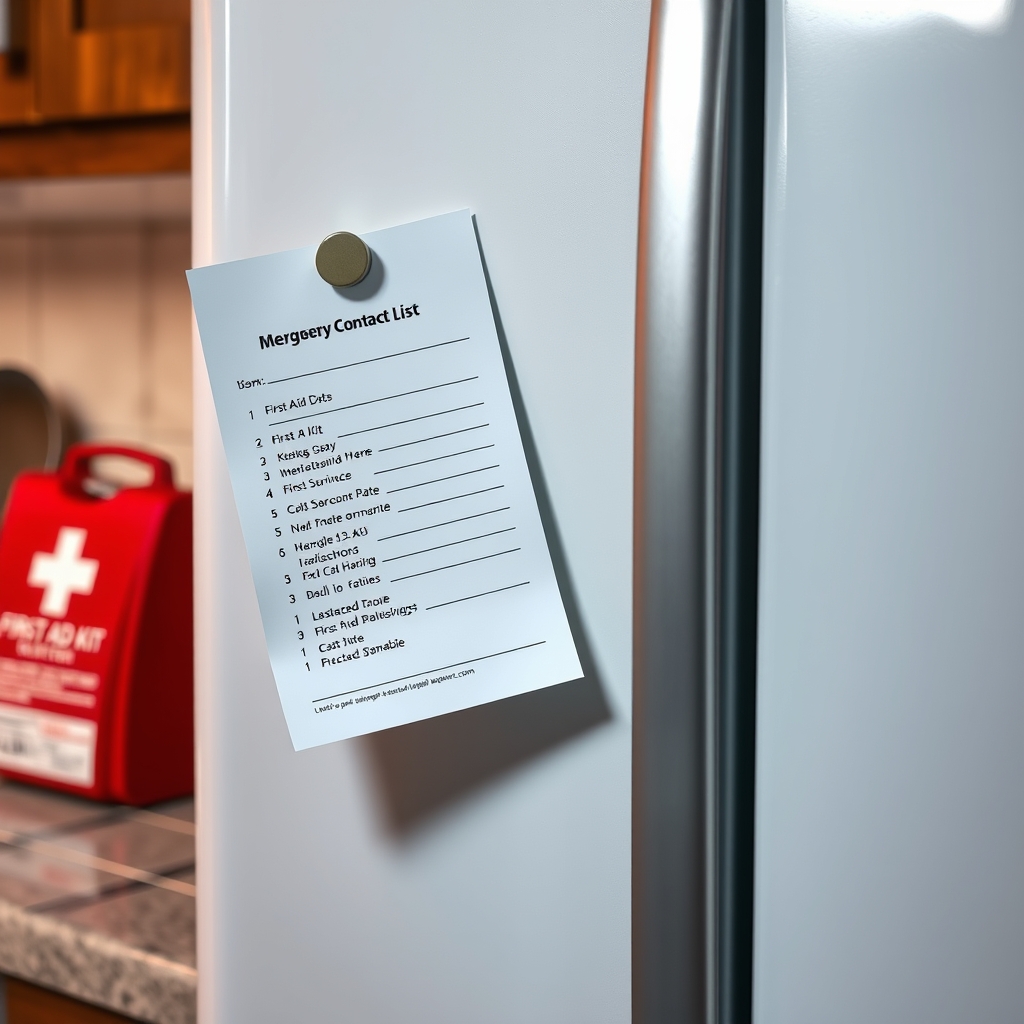
Setting up emergency contact protocols with your flatmates is one of those tasks that feels unnecessary until the moment you actually need it. A medical emergency, a fire, or even a simple lockout can turn into a crisis if no one knows who to call or what to do. A few minutes of planning now can make a real difference later.
Why Every Shared Flat Needs an Emergency Plan
In a flat share, you are often the first line of response for your flatmates during an emergency, whether that is a medical issue, an accident at home, or a security concern. Having a documented emergency contact protocol means no one has to improvise under pressure.
- Reduces confusion and wasted time during a genuine emergency
- Ensures someone can act on your behalf if you are unable to
- Creates a shared sense of responsibility among flatmates
Building Your Flatmate Emergency Contact List
Start by creating a shared document or a pinned note in your flat's group chat with key contacts everyone can access instantly. Keep both digital and physical copies, since phones can run out of battery at the worst possible moment.
- Each flatmate's emergency contact (family member or close friend)
- Local police, fire, and ambulance numbers
- Nearest hospital and its address
- Building security or watchman contact, if applicable
- Landlord or property manager's number
- Building maintenance contact for gas, electrical, or plumbing emergencies
Pro tip: Print a physical copy of your emergency contact list and stick it inside a kitchen cabinet door — it is the one place everyone checks and it works even without internet or a charged phone.
Medical Emergencies and Health Information Sharing
If any flatmate has allergies, existing medical conditions, or takes regular medication, it is worth sharing this information voluntarily so others know what to tell paramedics if needed. This is sensitive information, so only share what you are comfortable with, and keep it private within the flat rather than posting it anywhere public.
Why it matters: In the first few minutes of a medical emergency, knowing a flatmate's allergies or conditions can directly influence the care they receive before professional help arrives.
Practicing the Protocol So It Actually Works
An emergency plan only works if everyone actually remembers it under stress. Review your protocol together every few months, especially when a new flatmate moves in, so it stays current and familiar.
- Revisit and update the contact list whenever a flatmate changes
- Do a quick walkthrough of exits, fire extinguishers, and the fuse box together
- Agree on a group chat or call tree for fast communication during an incident
- Store spare keys with a trusted neighbor or in a secure lockbox
It is also worth deciding in advance who takes charge if an emergency happens while only one flatmate is home. Assign rough roles, such as who calls emergency services, who contacts the landlord, and who manages the group chat update, so response does not depend on everyone reacting the same way under pressure. A short, written plan pinned somewhere visible turns a stressful, uncertain moment into a series of clear next steps that anyone in the flat can follow.
Ready to find your ideal flatmate? Join FlatmatesHub today and connect with KYC-verified roommates near you — completely free.