
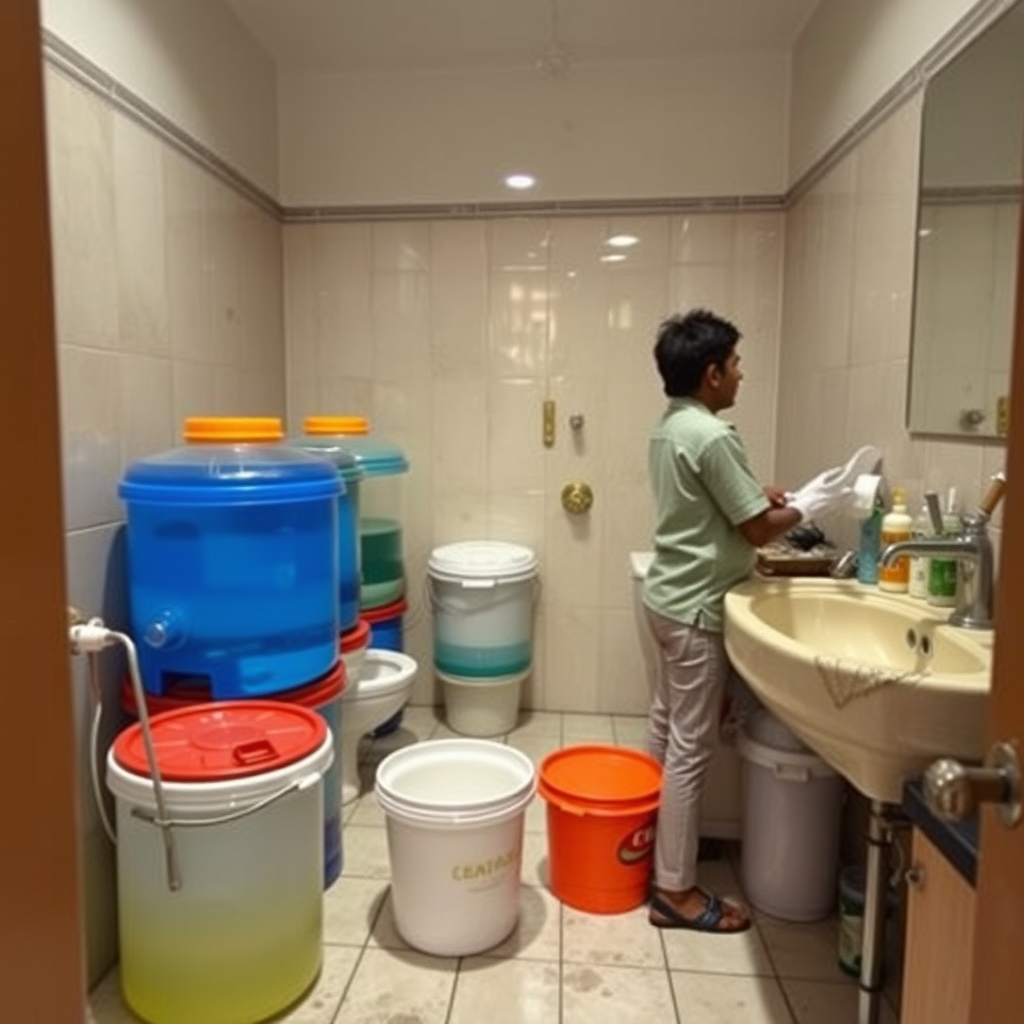
Dealing with water supply issues in rented accommodation is an experience nearly every renter in India encounters at some point, whether it's inconsistent municipal supply, low pressure on upper floors, or a tanker that shows up late during peak summer demand. Knowing how to handle these situations calmly, and who is responsible for fixing what, makes a real difference to daily life in a shared flat.
Understand Your Building's Water Source
Before you can effectively deal with water supply issues in rented accommodation, it helps to know exactly where your building's water comes from. Some properties rely entirely on municipal supply, others depend on borewells, and many combine both with tanker deliveries during shortages.
- Ask the owner or building management about the water source and typical supply timing
- Find out if there's an overhead tank, and how often it's cleaned
- Check whether tanker water is arranged automatically during shortages or needs to be requested
- Confirm if water charges are included in rent or billed separately
Common Water Problems and Practical Fixes
Low water pressure, especially on higher floors, is one of the most frequent complaints in shared flats. A basic pressure pump can help if the building allows it, but always check with the owner or society before installing one, since it can affect supply to other units. Muddy or discolored water usually points to a tank that needs cleaning, and this should be flagged to the building management immediately, since it's a hygiene issue that affects every resident, not just your flat.
Coordinating Water Usage With Flatmates
During supply shortages, shared flats need a bit of coordination to avoid running out at the worst possible time. Agree on reasonable usage habits, like not leaving taps running, using stored water sensibly during off-supply hours, and taking turns for laundry or long showers if the tank runs low. A simple house rule about topping up storage containers when supply is available prevents the flat from being caught off guard.
Why it matters: Water shortages tend to surface exactly when everyone needs water most, like mornings before work, so a shared plan for storage and usage prevents daily scrambling and avoidable arguments.
Raising Complaints the Right Way
Persistent water issues are usually the landlord's or building management's responsibility to resolve, not something tenants should have to fix out of pocket. Document the problem with photos or short notes on dates and duration of the shortage, and raise it through written communication, such as in-app messaging, so there's a clear record if the issue drags on. If water charges are billed based on shared costs, an expense-splitting tool keeps tanker or maintenance charges transparent among flatmates.
Pro tip: Keep a couple of large storage containers filled at all times in the kitchen or bathroom — it's a simple buffer that saves the whole flat during unexpected short supply days.
Check Water Reliability Before You Move In
Water supply is easy to overlook while flat-hunting but hard to ignore once you're living somewhere with daily shortages. Ask current tenants or owners directly about supply timing and reliability before signing a lease. Verified listings with honest details and direct messaging make it far easier to get real answers instead of vague assurances.
Ready to find your ideal flatmate? Join FlatmatesHub today and connect with KYC-verified roommates near you — completely free.