
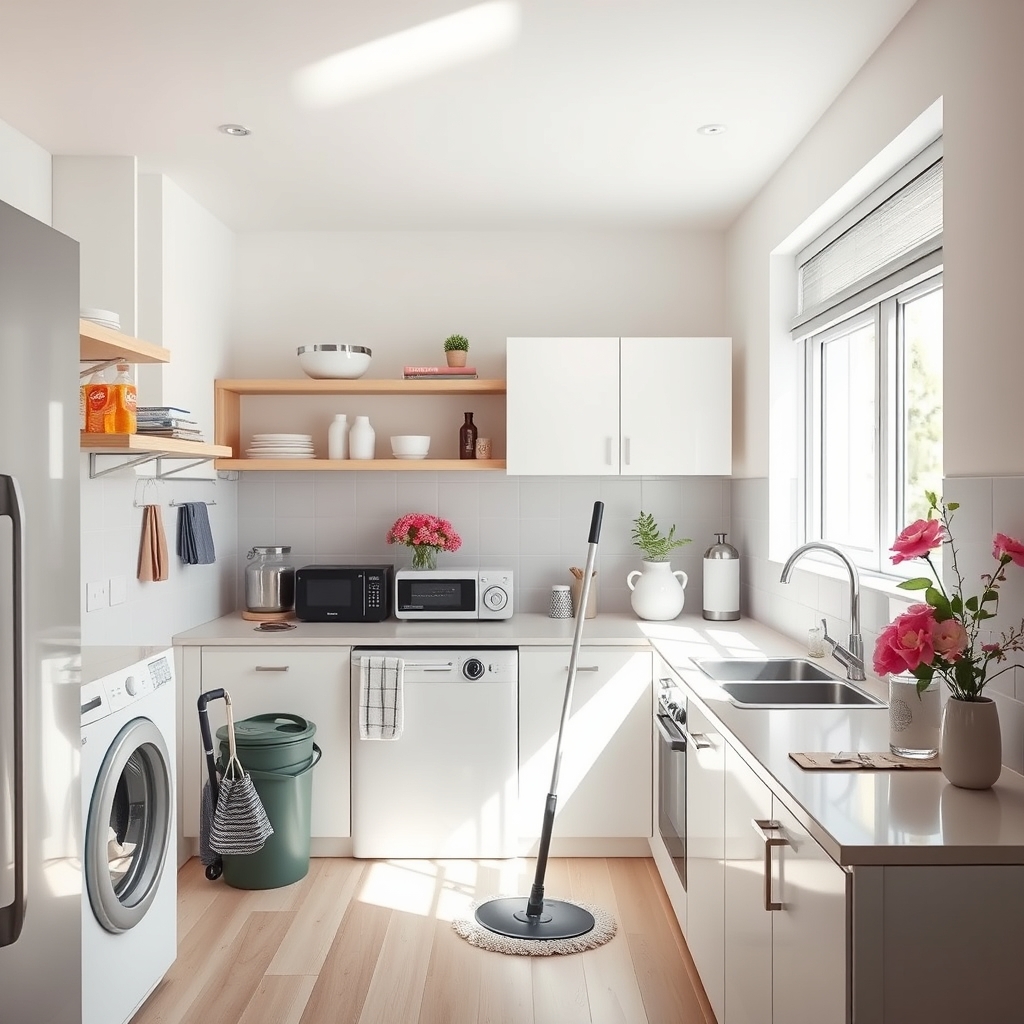
A good cleaning schedule for shared living spaces is one of the simplest ways to prevent arguments before they start. When chores are left informal — "we'll figure it out as we go" — dishes pile up, dust settles, and resentment builds. Whether you found your flatmate through friends or matched with someone on FlatmatesHub, a clear, fair rotation keeps the home pleasant for everyone and protects the relationship you're building together.
Why Every Shared Home Needs a Cleaning Schedule
Most flatmate conflicts aren't really about mess — they're about fairness. One person feels they're doing more than their share, while the other genuinely doesn't notice the dust on the shelf. A written cleaning schedule removes the guesswork and the subjective arguments. Everyone knows exactly what they're responsible for and when, so there's no room for "I didn't know it was my turn."
It also protects the shared spaces that matter most for day-to-day comfort: kitchen, bathroom, and common living areas. These are the rooms every flatmate uses daily, so they deserve the most structured approach.
How to Build a Schedule Your Flatmates Will Actually Follow
The best schedules are simple, visible, and fair. Consider these steps when setting one up with new flatmates:
- List every recurring task — sweeping, mopping, bathroom scrubbing, kitchen wipe-down, trash disposal, and fridge clean-outs.
- Rotate weekly so no one is stuck with the least pleasant chore (usually the bathroom) every single time.
- Match effort to space usage — if one flatmate cooks far more often, it's reasonable for them to take on slightly more kitchen duty.
- Put it somewhere visible, such as a shared notes app, a printed chart on the fridge, or a group chat pinned message.
- Review it monthly and adjust if someone's schedule changes or a task keeps getting skipped.
Common Cleaning Disputes and How to Avoid Them
Even with a schedule, friction can creep in — usually around personal items left in common areas, dishes soaking "for later," or differing standards of what counts as clean. The fix is to talk about expectations before they become a source of tension, not after the fifth unwashed pan.
Pro tip: Agree on a simple house rule — dishes get washed within 24 hours, and personal clutter in shared spaces gets cleared every evening. Small, consistent habits prevent big blow-ups later.
If a disagreement does happen, address it directly and calmly rather than letting it fester. A quick, respectful conversation almost always resolves cleaning friction faster than passive-aggressive notes ever will.
Tools That Make Shared Cleaning Easier
You don't need anything fancy to keep a rotation on track. A shared calendar app, a simple spreadsheet, or even a physical whiteboard works well. What matters is that everyone can check it at a glance and see whose turn it is this week. Some flatmates also find it useful to split the cost of cleaning supplies through an expense-splitting tool so no one feels they're footing the bill for shared items alone.
Why it matters: A fair, visible cleaning schedule is one of the strongest predictors of a happy shared home — it turns an emotional issue into a simple, practical routine everyone can follow.
Finding flatmates who share your standards for cleanliness starts before you even move in. Ready to find your ideal flatmate? Join FlatmatesHub today and connect with KYC-verified roommates near you — completely free.