
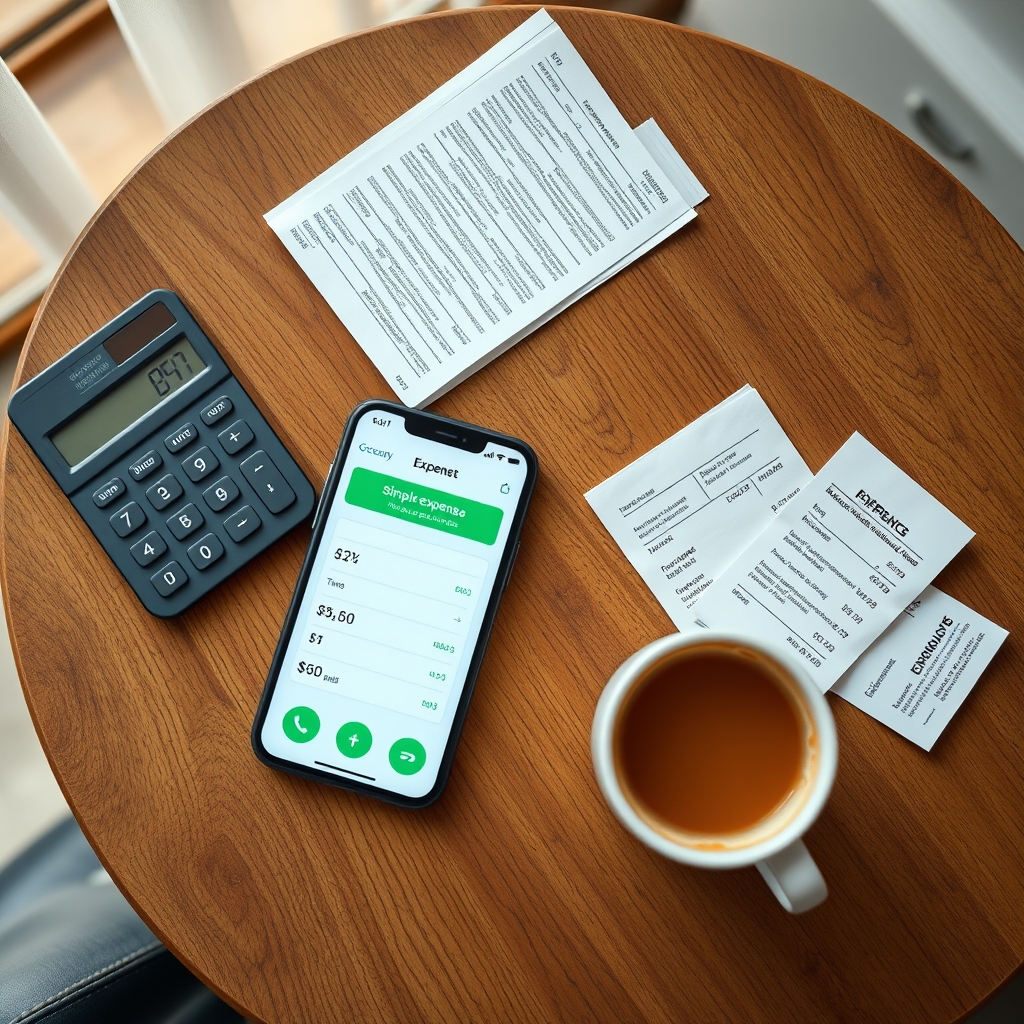
Budgeting for shared accommodation is one of the most practical skills any renter can learn, especially if you're splitting rent, groceries, and utilities with flatmates for the first time. Done right, shared living can cut your monthly expenses dramatically compared to living alone. Done carelessly, it becomes a constant source of awkward money conversations. Here's a practical guide to getting it right from the start.
Work out your true monthly cost
Rent is only part of the picture. When budgeting for shared accommodation, list out every recurring cost so there are no surprises in month two.
- Your share of rent and the security deposit (often one to two months' rent upfront)
- Electricity, water, and internet bills split among flatmates
- Cooking gas, groceries, or a shared food kitty
- Domestic help or cleaning charges, if shared
- Society or maintenance charges, where applicable
Add these up and compare the total against your monthly income before you commit to a property — a common guideline is to keep total housing costs under roughly a third of your take-home pay, though this varies by city and income level.
Agree on a splitting method upfront
Not every flatmate arrangement should split costs equally. A larger room or an attached bathroom often justifies a slightly higher rent share, while shared costs like Wi-Fi and cooking gas are usually split evenly.
- Decide whether rent is split equally or by room size and amenities
- Agree who collects and pays each utility bill, and by when
- Set a fixed date each month to settle shared expenses
- Keep a running record everyone can see, rather than relying on memory
Pro tip: Settle shared expenses on the same date every month — for example, the 1st — so nobody has to chase anyone for money, and small dues never quietly pile up.
Use tools instead of trust alone
Even close friends fall out over unpaid bills. Rather than tracking IOUs in a notes app, use dedicated expense splitting tools that log every shared cost, calculate who owes whom, and send reminders automatically. FlatmatesHub builds this directly into the shared living experience, so rent, groceries, and utility bills are transparent to every flatmate in real time, with no manual spreadsheet required.
Why it matters: Money left ambiguous between flatmates rarely stays neutral for long — a clear, shared record of who owes what is often the difference between a friendly household and a tense one.
Build a small buffer
Set aside a small monthly buffer, even a modest amount, for shared one-off costs like a replacement gas cylinder, a plumber visit, or a broken appliance. Without this buffer, unexpected costs tend to spark the same argument over and over: who should pay this time.
Review your budget every few months
Rents, bills, and even flatmate arrangements change over time. Revisit your shared budget every three to six months, especially after a rent renewal or if a new flatmate joins the household, so your splitting method still reflects reality.
Ready to find your ideal flatmate? Join FlatmatesHub today and connect with KYC-verified roommates near you — completely free.