
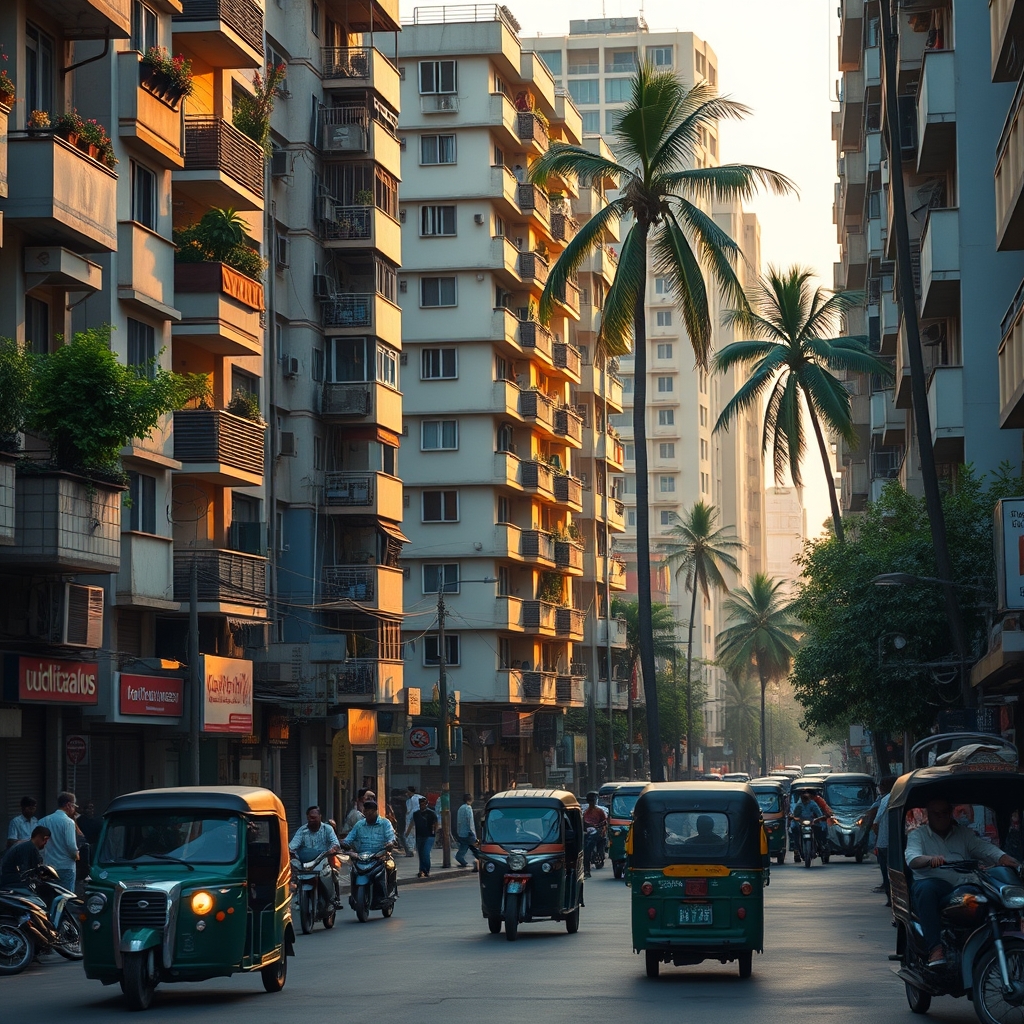
If you are house-hunting in Mumbai's western suburbs, the choice between Andheri West and Andheri East comes up almost immediately. Both sit on the same railway station and share a pincode area, yet they feel like two different cities. Andheri West is the glossy, social, restaurant-lined half of the suburb, while Andheri East is the working half, dense with office parks, the airport, and a steady stream of commuters. Picking the right side depends less on which is "better" and more on how you actually plan to live and work.
Andheri West: Lifestyle-First Living
Andheri West — spanning Lokhandwala, Versova, Yari Road, and the main market stretch — is where Mumbai's media, film, and hospitality crowd tends to cluster. The streets are lined with cafes, gyms, salons, and late-night eateries, and the overall energy is social and youthful. Housing stock ranges from older low-rise buildings to newer high-rises with amenities like lifts, security, and sometimes a gym or clubhouse. Rent here tends to be mid-range to premium, especially closer to Lokhandwala and Versova, with prices easing slightly as you move toward Four Bungalows or DN Nagar.
Andheri East: The Commuter's Suburb
Andheri East is built around utility. It hosts major business hubs like MIDC, SEEPZ, and the corporate clusters near the Western Express Highway, plus proximity to Chhatrapati Shivaji Maharaj International Airport. This makes it a magnet for IT, aviation, and corporate professionals who want a short commute over a scenic one. The area is less about nightlife and more about function — reliable auto and cab availability, metro connectivity via the Andheri metro station, and easy highway access for those commuting further north to Powai or Thane.
Who Lives Where
- Andheri West suits young professionals in media, marketing, and hospitality who value nightlife and social proximity.
- Andheri East suits IT and corporate employees, airport staff, and business travelers who prioritize commute time.
- Families often prefer the quieter residential pockets on both sides, such as Yari Road society clusters or Marol's interior lanes.
- Students and early-career renters lean toward shared flats in both areas, often splitting costs with two or three flatmates.
Honest Trade-Offs
Andheri West's charm comes with traffic — the internal roads get congested during peak hours, and rents near the main market can be steep for a solo renter. Andheri East, meanwhile, can feel less vibrant after office hours, and some pockets near the industrial zones lack the walkable amenities that West offers. Noise from flight paths is also a consideration for buildings close to the airport.
Pro tip: If your office is on the Western Express Highway or near SEEPZ, test your actual commute time during both morning and evening rush hour before signing a lease — Andheri's traffic patterns can add 30-40 minutes unpredictably.
Why it matters: Choosing between Andheri West and Andheri East should be driven by your daily commute route, not just neighborhood reputation — a 20-minute difference each way adds up to real hours lost every month.
Making the Decision
Whichever side you choose, verify the listing, meet potential flatmates in person, and read the society rules before committing. FlatmatesHub lists KYC-verified properties across both Andheri West and Andheri East, with in-app messaging so you can ask owners and current tenants direct questions, plus expense-splitting tools built in for shared flats — no brokerage, no hidden fees.
Ready to find your ideal flatmate? Join FlatmatesHub today and connect with KYC-verified roommates near you — completely free.